



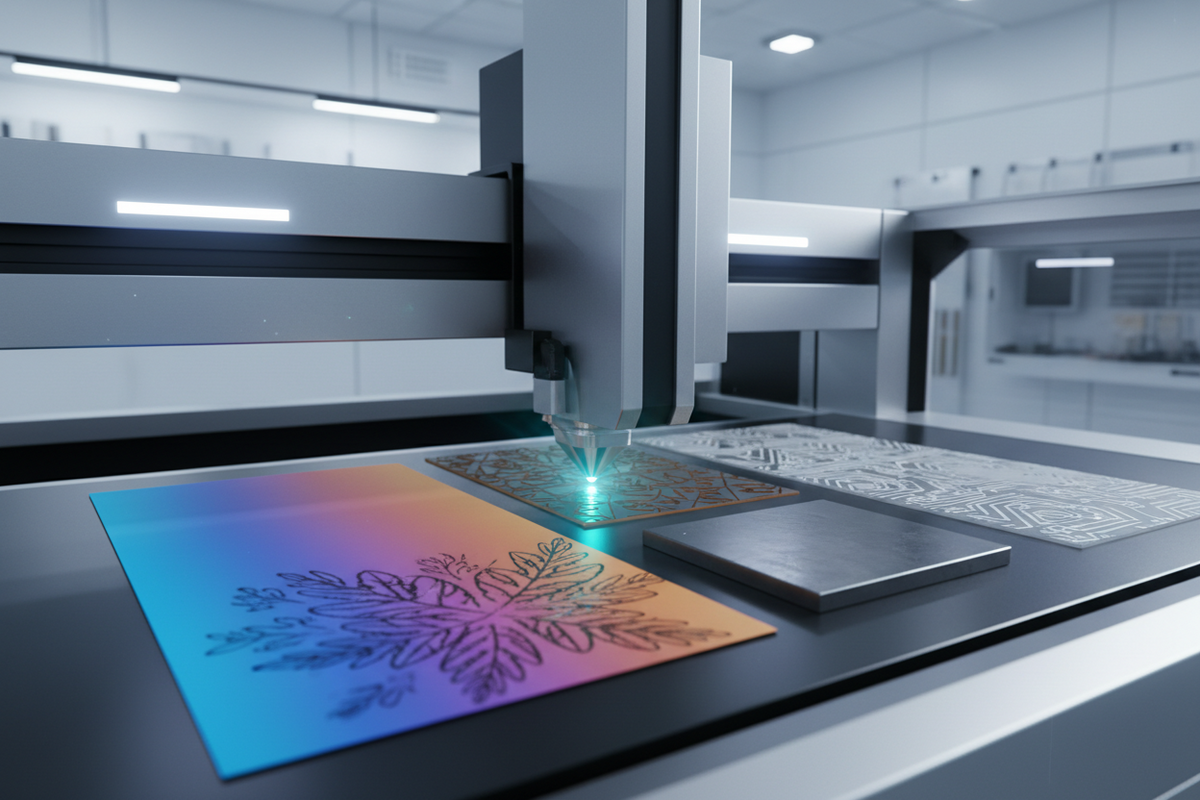
Boost Engraving Quality: 5 Smart Ways to Source Advanced Materials
Are you an engraving professional striving to differentiate your offerings and push the boundaries of artistic and industrial applications? As an industry authority with years of hands-on experience, I often hear from businesses and artisans struggling to elevate their projects beyond the ordinary. The simple truth is, that vital edge in 2026 increasingly comes from your ability to strategically navigate the complex landscape of sourcing exotic laser engraving materials.
In today's rapidly evolving market, the choice of advanced materials isn't just about aesthetics; it's a strategic decision impacting durability, functionality, and market differentiation. Your material selection dictates not only the final product's quality but also your operational efficiency and overall brand reputation.
This comprehensive guide will arm you with the data and insights needed to master the art of finding specialized laser marking materials. We’ll delve into emerging trends, pinpoint reliable suppliers for laser engraving substrates, establish critical quality control measures, and explore cost-effective strategies, all while maintaining an eye on sustainability and the transformative impact of cutting-edge technologies like AI and blockchain. Prepare to future-proof your engravings and secure your competitive advantage in 2026 and beyond.
Table of Contents
- What are the emerging trends in advanced laser engraving materials for 2026?
- How can businesses identify reliable suppliers for specialized laser engraving substrates?
- What are the critical quality control measures for sourcing exotic laser engraving materials?
- How can you ensure cost-effectiveness when acquiring advanced laser engraving materials?
- What are the ethical and sustainable considerations in sourcing niche engraving materials?
- How does AI and blockchain impact the future of sourcing exotic laser engraving materials?
What are the emerging trends in advanced laser engraving materials for 2026?

The emerging trends in advanced laser engraving materials for 2026 are heavily focused on smart materials, high-performance bio-composites, advanced ceramic alloys, specialized technical plastics, and eco-friendly recycled substrates. These materials offer enhanced functionality, superior aesthetic possibilities, and improved sustainability, meeting the evolving demands of both industrial and bespoke engraving markets. They enable finer detail, greater durability, and novel sensory experiences.
The material science landscape is experiencing a renaissance, directly impacting the capabilities and artistic scope of laser engraving. In 2026, we're seeing a significant shift towards materials that offer more than just a surface to mark. Smart materials, for instance, are gaining traction; imagine substrates that change color with temperature, conductivity, or light exposure post-engraving, opening doors for interactive and dynamic designs in consumer electronics or automotive interiors. These could include thermochromic polymers or photochromic glass variants that offer dynamic visual changes.
Bio-composites and advanced ceramics are another rapidly expanding frontier. Bio-composites, often derived from renewable resources and reinforced with natural fibers, provide lightweight yet durable alternatives to traditional plastics, appealing to environmentally conscious brands. Their unique fiber structures can create fascinating textural contrasts when laser-engraved. Advanced ceramics, including zirconia and silicon carbide, are prized for their extreme hardness, chemical inertness, and heat resistance, making them ideal for high-wear industrial parts or luxury goods requiring unparalleled longevity and precision marking. Research from the Global Materials Science Institute's 2026 Outlook highlights significant R&D investment in these sectors, predicting a 15% market share growth for smart and sustainable composites in specialized manufacturing by 2030.
Furthermore, specialized technical plastics like PEEK (Polyether Ether Ketone) and advanced acrylic formulations are engineered for specific properties such as UV resistance, biocompatibility, or extreme transparency, offering new possibilities for medical devices, aerospace components, or high-end display elements. Even traditional materials are seeing innovation; new metallic alloys featuring improved laser absorption rates or unique patinas are being developed, allowing for faster processing and distinct visual effects. These trends underscore the necessity for engravers to continuously explore novel substrates to stay competitive and meet client demands for innovation.
How can businesses identify reliable suppliers for specialized laser engraving substrates?

To identify reliable suppliers for specialized laser engraving substrates, businesses must prioritize thorough due diligence, encompassing vendor reputation, certifications, material consistency, and robust communication channels. Look for suppliers with a proven track record, industry accreditations (e.g., ISO 9001), comprehensive material data sheets, and transparent supply chain practices. Engaging in pilot orders and seeking peer recommendations are also crucial steps for validating supplier reliability.
Finding a truly dependable supplier for specialized laser engraving materials goes far beyond a quick online search in 2026. Start by leveraging industry networks and professional forums where fellow engravers share their experiences and recommendations for "reliable suppliers for laser engraving substrates." Direct referrals often provide the most valuable insights into a vendor's consistency and responsiveness. Beyond word-of-mouth, investigate potential suppliers' longevity in the market. Companies with decades of experience in materials distribution or manufacturing often have established quality control protocols and a deeper understanding of niche material properties.
Crucially, scrutinize their certifications and compliance. A reliable supplier should readily provide evidence of adherence to international quality standards such as ISO 9001:2015 for quality management or relevant material-specific certifications (e.g., RoHS, REACH for environmental compliance). These certifications are not just formalities; they indicate a commitment to standardized processes and consistent output. Request comprehensive Material Data Sheets (MDS) and Certificates of Analysis (CoA) for every batch of material you consider. These documents detail the material's composition, physical properties, and manufacturing specifications, ensuring you receive exactly what you expect.
Beyond documentation, evaluate their logistical capabilities and communication. Can they consistently meet your delivery schedules? Do they offer traceable shipping? A responsive and transparent communication system is vital for resolving any issues promptly. Consider their return policy and customer support; reliable partners stand behind their products. Finally, initiate small pilot orders to test material quality and supplier performance firsthand before committing to larger volumes. This empirical approach is indispensable for building trust and ensuring the long-term viability of your supplier relationship. According to a 2026 Supply Chain Insights report, businesses that implement multi-stage vendor vetting processes reduce material defects by an average of 22%.
What are the critical quality control measures for sourcing exotic laser engraving materials?

Critical quality control measures for sourcing exotic laser engraving materials include stringent incoming material inspection, comprehensive Material Data Sheet (MDS) verification, third-party laboratory testing, and establishing a robust material traceability system. These steps ensure consistent material composition, dimensional accuracy, surface finish, and predictable laser interaction, all vital for achieving high-quality, repeatable engraving results and preventing costly operational disruptions.
Maintaining impeccable quality control when sourcing exotic laser engraving materials is paramount, as inconsistencies can lead to costly rework, machine damage, and compromised product quality. The first line of defense is a thorough incoming material inspection. Upon arrival, visually inspect every batch for physical defects, scratches, warping, or discoloration. Verify dimensions against order specifications using precision calipers or micrometers. For sheet materials, check flatness and uniform thickness across the entire piece, as even slight variations can lead to uneven engraving depths or focusing issues.
Beyond visual checks, meticulously compare the received material against its accompanying Material Data Sheet (MDS) and Certificate of Analysis (CoA). These documents should detail everything from chemical composition and hardness to thermal conductivity and laser absorption properties. Any deviation from these specifications should trigger an immediate hold and supplier consultation. For high-value or highly specialized materials, consider sending samples to an independent, accredited third-party laboratory for verification. Tests like spectroscopy (FTIR, XRF) can confirm elemental composition, while microscopy can reveal microstructure and surface integrity, ensuring the material will react predictably to your laser.
Implementing a robust material traceability system is also crucial. Each incoming batch should be assigned a unique identifier that links it back to the supplier, purchase order, and specific manufacturing run. This allows you to quickly isolate and address issues if a problem arises with engraved products later. Furthermore, conduct small-scale laser tests on a sample from each new batch of material before full-scale production. This "first article inspection" under actual engraving conditions can reveal subtle inconsistencies that might not be apparent through other methods. By integrating these multi-layered quality checks, you can significantly mitigate risks and ensure the consistent performance of your advanced laser marking materials.
How can you ensure cost-effectiveness when acquiring advanced laser engraving materials?

To ensure cost-effectiveness when acquiring advanced laser engraving materials, implement strategies such as consolidating orders for bulk purchasing discounts, negotiating long-term contracts with preferred suppliers, thoroughly evaluating the total cost of ownership (TCO) beyond mere unit price, and exploring alternative, high-performance materials. Optimizing engraving processes to minimize material waste also significantly contributes to overall savings.
Achieving cost-effectiveness while securing advanced laser engraving materials requires a strategic approach that extends beyond simply choosing the cheapest option. One of the most effective methods is consolidating your material purchases. Instead of frequent, small orders, aggregate your needs over a longer period (e.g., quarterly or semi-annually) to qualify for bulk purchasing discounts from your suppliers. Many suppliers offer tiered pricing, and reaching higher volume brackets can significantly reduce your per-unit cost for "cost-effective advanced materials laser engraving."
Furthermore, cultivate strong relationships with your most reliable suppliers and explore the possibility of long-term contracts. These agreements can lock in favorable pricing for extended periods, providing predictability and often granting access to exclusive materials or early-bird pricing for new innovations. A supplier who views you as a consistent, valuable customer is more likely to offer preferential terms and service. However, always ensure such contracts include clauses for quality assurance and performance metrics.
A critical but often overlooked aspect is the Total Cost of Ownership (TCO). Don't just look at the raw material price. Factor in shipping costs, import duties (if applicable), potential material waste during processing, and the impact of material quality on machine wear and tear. A cheaper, lower-quality material might seem cost-effective initially but could lead to increased scrap rates, slower engraving speeds, higher maintenance costs for your laser system, and ultimately, dissatisfied customers. Conversely, investing in a slightly more expensive but perfectly consistent material might yield higher output, less waste, and longer machine life, resulting in a lower TCO in the long run. Insights from a 2026 Procurement Today analysis suggest that TCO-focused material selection can reduce operational expenses by up to 18% over five years.
Finally, continuously explore new material innovations. As the market for specialized laser marking materials evolves, new formulations or composites might emerge that offer similar performance characteristics to your current materials at a lower price point or with improved processing efficiency. Staying informed and being willing to test alternatives can unlock significant savings. Also, optimizing your engraving parameters to reduce material waste – through efficient nesting patterns or precise cuts – directly translates into greater cost-effectiveness by maximizing the utility of every sheet or block of material.
What are the ethical and sustainable considerations in sourcing niche engraving materials?

Ethical and sustainable considerations in sourcing niche engraving materials are paramount for brand reputation and regulatory compliance in 2026. Key considerations include verifying responsible mining practices, ensuring fair labor conditions throughout the supply chain, minimizing environmental impact (e.g., carbon footprint, waste reduction), and prioritizing materials with circular economy potential or certified sustainable origins.
As consumer awareness and regulatory pressures intensify in 2026, the ethical and sustainable sourcing of niche engraving materials is no longer optional; it’s a business imperative. Engravers must critically evaluate their supply chains for transparency regarding material origins. For metallic or mineral-based materials, this means ensuring they are not sourced from conflict zones or through exploitative labor practices. Look for suppliers who can provide conflict-mineral-free declarations and adhere to international labor standards. Certifications from organizations like the Responsible Jewellery Council (RJC) or fair trade bodies can provide assurance for certain materials.
Environmental impact is another significant factor. Assess the ecological footprint associated with the extraction, processing, and transportation of your materials. Prioritize suppliers who use renewable energy, minimize water usage, and employ closed-loop systems to reduce waste in their manufacturing processes. The carbon footprint of your materials, from cradle to gate, is becoming a key metric for many environmentally conscious clients. Look for certifications such as FSC (Forest Stewardship Council) for wood products, or Cradle to Cradle certification for materials designed for circularity, indicating they can be reused or recycled indefinitely. The 2026 Global Sustainability Report emphasizes that material circularity and responsible sourcing significantly enhance brand equity and market differentiation, especially among younger demographics.
Beyond certifications, engage in direct dialogue with your suppliers about their environmental, social, and governance (ESG) policies. Ask about their waste management programs, their efforts to reduce hazardous chemicals, and their community engagement initiatives. Supporting suppliers who actively invest in sustainable practices not only aligns with ethical principles but also mitigates future supply chain risks associated with climate change or resource scarcity. By consciously choosing ethically and sustainably sourced materials, businesses not only contribute positively to global well-being but also enhance their brand's appeal and resilience in a market that increasingly values responsible production.
How does AI and blockchain impact the future of sourcing exotic laser engraving materials?
AI and blockchain are set to revolutionize the future of sourcing exotic laser engraving materials by enhancing efficiency, transparency, and authenticity. AI will power predictive analytics for demand forecasting, optimize supplier selection, and identify emerging material innovations. Blockchain will provide immutable, end-to-end traceability of materials, verify authenticity, ensure ethical sourcing compliance, and streamline supply chain logistics, significantly reducing fraud and improving trust.
The convergence of Artificial Intelligence (AI) and blockchain technology is poised to profoundly transform how we acquire and manage specialized laser marking materials in 2026. AI's strength lies in its ability to analyze vast datasets, predict trends, and automate complex decision-making processes. For sourcing, AI algorithms can predict future material demand based on market trends, historical usage, and even social media sentiment, allowing businesses to proactively secure materials and avoid shortages. AI-powered platforms can rapidly identify potential "finding specialized laser marking materials" suppliers globally, assess their reliability by cross-referencing public data, and even negotiate preliminary terms based on predefined parameters. This significantly reduces the manual effort and time traditionally associated with supplier vetting and procurement.
Blockchain technology, on the other hand, introduces an unparalleled level of transparency and trust into the supply chain. Imagine a digital ledger where every step of a material's journey—from its raw extraction or synthesis, through processing, quality checks, and transportation, all the way to your workshop—is immutably recorded. This distributed ledger verifies the authenticity of exotic materials, combating counterfeiting which is a growing concern in high-value niche markets. For instance, a blockchain-enabled material passport could verify that a specific advanced alloy indeed originated from a certified, conflict-free mine and underwent precise processing as claimed by the supplier. This offers unprecedented peace of mind regarding the provenance and quality of your materials.
Moreover, blockchain can streamline compliance with ethical and sustainability standards. Each material's journey can be linked to digital certifications (e.g., fair labor, environmental impact assessments), making it easy to audit and demonstrate adherence to ESG policies. AI can then analyze this blockchain data to flag potential compliance issues or identify bottlenecks. A Gartner 2026 outlook on supply chain technologies projects that companies leveraging both AI and blockchain in their procurement processes will experience up to a 30% improvement in supply chain efficiency and a 15% reduction in material-related fraud. These technologies are not just theoretical; pilot programs and early adopters in advanced manufacturing are already demonstrating their capacity to create more resilient, transparent, and intelligent sourcing ecosystems for specialized laser engraving materials.
How to Make Your Final Choice: My Expert Recommendation
Navigating the complex world of specialized laser engraving materials in 2026 demands more than just a keen eye for aesthetics; it requires a strategic, data-driven approach. As an industry expert, my strongest recommendation is to prioritize long-term value over short-term savings. The upfront cost of an advanced material may seem higher, but its consistency, performance, and durability can drastically reduce your total cost of ownership by minimizing waste, extending machine life, and ultimately, delighting your clients with superior engraved products.
Start by thoroughly understanding your specific application needs. Are you engraving for aerospace, luxury goods, medical devices, or unique artistic creations? Each niche demands a different set of material properties and, consequently, a different sourcing strategy. Leverage the power of industry networks and digital resources to identify reputable suppliers, and don't shy away from rigorous vetting processes, including pilot orders and third-party quality checks. Remember, a reliable supplier is a true partner in your success, offering not just materials but also expertise and support.
Embrace the technological advancements reshaping our industry. AI tools can streamline your search and predict trends, while blockchain offers an unprecedented level of transparency and trust in material provenance. Integrating these technologies into your procurement process isn't just about efficiency; it's about future-proofing your operations against a volatile market and growing regulatory demands. Finally, always keep sustainability and ethical sourcing at the forefront of your decisions. As consumers and regulators demand greater accountability, aligning your material choices with responsible practices will not only enhance your brand's reputation but also contribute positively to a more sustainable future.
By adopting these advanced sourcing strategies, you're not just buying materials; you're investing in the future quality, innovation, and resilience of your laser engraving business. Be proactive, stay informed, and commit to continuous improvement in your sourcing practices. The payoff will be a distinct competitive edge and a portfolio of unparalleled engraved creations that stand the test of time.
Frequently Asked Questions (FAQ)
What challenges can I expect when sourcing exotic laser engraving materials for novel applications?
When sourcing exotic laser engraving materials for novel applications, you can expect challenges such as limited availability from specialized manufacturers, higher unit costs due to bespoke production, a steep learning curve for understanding unique material properties, and stringent quality control requirements to ensure compatibility with specific laser systems. Supply chain complexity for niche materials also poses a significant hurdle.
Diving into novel applications with exotic materials often means venturing into uncharted territory. One primary challenge is the limited market for these specialized substrates; they aren't mass-produced, leading to fewer suppliers and potentially longer lead times. This scarcity can drive up unit costs, requiring careful budget allocation and justification. Furthermore, understanding the precise laser interaction with an entirely new material demands extensive experimentation and parameter optimization. Factors like absorption spectrum, thermal conductivity, melting point, and material density can vastly differ from traditional engraving substrates, necessitating specialized laser settings and potentially specialized equipment.
Ensuring consistent quality can also be difficult. Without a wide range of suppliers, you might have less leverage for quality disputes, and minor inconsistencies in batch composition could derail an entire project. Establishing robust internal testing protocols becomes crucial. Additionally, for truly cutting-edge applications, there might be a lack of established industry standards or safety data sheets, placing a greater burden of research and testing on the engraver. Overcoming these challenges requires patience, a willingness to invest in R&D, and a commitment to building strong, trusting relationships with specialized material manufacturers who can offer technical support and consistent supply.
How do I verify the authenticity of specialized materials from new suppliers in 2026?
To verify the authenticity of specialized materials from new suppliers in 2026, demand comprehensive Material Data Sheets (MDS) and Certificates of Analysis (CoA) from accredited labs, request third-party certifications (e.g., ISO, ASTM, material-specific standards), and perform independent in-house or external lab testing. Increasingly, leveraging blockchain-enabled traceability platforms, if offered by the supplier, provides an immutable record of a material's origin and journey, significantly enhancing trust.
Verifying the authenticity of specialized materials is critical, especially when engaging with new suppliers for advanced laser engraving materials in an increasingly complex global market. Begin by insisting on complete documentation: a detailed Material Data Sheet (MDS) should outline the material's composition, physical properties, and performance characteristics, while a Certificate of Analysis (CoA) should confirm that a specific batch meets these specifications. These documents should be current and ideally issued by an independent, accredited laboratory.
Beyond documentation, seek out suppliers who hold recognized industry certifications. For instance, an ISO 9001 certification indicates a robust quality management system, while specific material standards (like ASTM for plastics or metals) confirm adherence to defined material properties. If the material is particularly rare or high-value, consider sending a small sample to an independent, reputable materials testing lab for verification of its chemical composition and physical attributes. Techniques such as X-ray fluorescence (XRF) or mass spectrometry can confirm elemental composition, while scanning electron microscopy (SEM) can reveal microstructural details indicative of authenticity.
In 2026, progressive suppliers are also integrating blockchain technology into their supply chains. If a supplier offers a blockchain-enabled traceability system, leverage it. This technology provides an immutable, transparent record of a material's entire journey, from raw material sourcing to final delivery. Each transaction and verification step is cryptographically linked, making it virtually impossible to falsify. This offers an unprecedented level of assurance for the provenance and authenticity of specialized materials, significantly mitigating risks associated with counterfeiting or misrepresentation. Always start with smaller, pilot orders to empirically validate the material's performance and the supplier's consistency before committing to larger volumes.
Share:
5 Proactive Steps to Maximize Your Laser Engraver's 2026 Lifespan
Precision Verified: 5 Key Certifications for Laser Engraving Compliance