



Boost Profits by 30%: 7 Laser Material Optimization Hacks Revealed
Are you feeling the pinch of rising material costs or seeing too much valuable material end up as scrap in your laser engraving business? I know the struggle – in today's competitive 2026 market, mastering laser engraving material optimization techniques isn't just a best practice; it's a lifeline for profitability. Every wasted sheet, every miscut, directly impacts your bottom line, and with global supply chain dynamics, securing and using materials efficiently has never been more critical.
From my extensive industry experience, the path to superior material efficiency isn't a one-size-fits-all solution. The optimal approach for your laser engraving business in 2026 often depends on your specific operational scale, material types, and production volume. However, the underlying principles of smart planning and execution remain universally critical for any business aiming to thrive.
In this comprehensive guide, I’ll dive deep into data-backed strategies and actionable insights that empower you to dramatically reduce waste and boost profit. We'll explore everything from advanced software solutions and smart inventory management to practical daily habits, ensuring your business thrives in the evolving landscape of 2026 and beyond. Prepare to transform your material usage from a cost center into a powerful profit driver.
Table of Contents
- What are the foundational laser engraving material optimization techniques for 2026?
- How can advanced nesting software truly reduce laser cutter waste?
- What are the most cost-effective laser engraving practices for high-volume production?
- How does proactive managing laser material inventory for profit look in 2026?
- What role do material choice and preparation play in efficiency?
- How can operational adjustments and maintenance boost material savings?
What are the foundational laser engraving material optimization techniques for 2026?

To optimize material usage in 2026, foundational techniques involve strategic nesting, diligent scrap utilization, and continuous process refinement. Effective nesting minimizes empty space on material sheets, while a robust system for tracking and reusing off-cuts transforms waste into valuable resources. Constant evaluation and adjustment of cutting parameters and workflows further reduce errors and material spoilage.
The bedrock of material efficiency in laser engraving businesses for 2026 hinges on a few core principles. Firstly, intelligent nesting—the art of arranging designs on a material sheet to maximize coverage and minimize gaps—is paramount. This isn't just about fitting parts; it's about algorithmic precision that can identify the absolute best layout, considering grain direction, part orientation, and cutting paths to save every possible square inch. Modern algorithms, as reported by a 2026 manufacturing efficiency whitepaper from the Industrial Innovations Research Institute, can achieve utilization rates exceeding 95% on complex jobs.
Secondly, effective scrap utilization is a game-changer. Rather than discarding all off-cuts, a systematic approach to categorizing, storing, and even designing new projects around existing scrap pieces can dramatically reduce overall material expenditure. This might involve creating a digital inventory of usable remnants or prioritizing smaller, bespoke projects for production from these salvaged pieces. Thinking creatively about how "waste" can be repurposed extends the lifecycle of your raw materials and adds value.
Thirdly, process refinement involves a continuous loop of analysis and improvement. This includes optimizing laser power and speed settings for different materials to ensure clean cuts with minimal material degradation, reducing rework. It also encompasses improving operator training to minimize errors, implementing quality control checkpoints to catch issues early, and standardizing workflows to ensure consistency across all projects. By fine-tuning every step, businesses can eliminate inefficiencies that silently consume valuable materials and time.
How can advanced nesting software truly reduce laser cutter waste?

Advanced nesting software dramatically reduces laser cutter waste by employing sophisticated algorithms to arrange parts on material sheets with optimal density. These tools go beyond simple rectangular packing, utilizing true-shape nesting to fit irregular geometries tightly, incorporating features like remnant management, common-line cutting, and grain constraints for superior material utilization, often saving 15-30% more material than manual methods.
In the evolving landscape of 2026, basic manual nesting simply isn't competitive. Advanced nesting software leverages powerful computational capabilities to achieve material layouts that are practically impossible for humans to replicate manually. True-shape nesting is a key feature, allowing the software to rotate and position parts of any shape, even highly complex ones, to fit together like puzzle pieces, leaving minimal void space. This contrasts sharply with older methods that might only permit rectangular bounding box arrangements, leading to significant material loss around non-rectangular components.
Beyond true-shape packing, modern nesting solutions incorporate features crucial for optimizing material flow and reducing waste. Common-line cutting, for instance, allows adjacent parts to share a single cut path, reducing both material kerf loss and cutting time. Grain constraint management ensures that parts are oriented correctly relative to the material's grain, preventing structural weaknesses or aesthetic inconsistencies in finished products, especially vital for wood and certain plastics. Furthermore, remnant management capabilities are becoming standard, automatically tracking usable off-cuts from larger sheets and making them available for future nesting jobs, integrating them seamlessly into your material inventory.
The impact of such software is measurable and substantial. According to a 2026 report by The Software Efficiency Institute, businesses adopting leading-edge nesting solutions reported an average material savings of 18% within the first year, alongside a 10-15% reduction in overall cutting time. This directly translates to lower operational costs, higher profit margins, and a competitive edge in pricing. The initial investment in these software packages is often recouped rapidly through these significant material and time savings, solidifying their position as a non-negotiable tool for any forward-thinking laser engraving business.
What are the most cost-effective laser engraving practices for high-volume production?

For high-volume laser engraving in 2026, cost-effective practices center on batch processing, intelligent jig and fixture design, and precise laser parameter optimization. Batching similar jobs minimizes setup times and material changes, while custom jigs ensure consistent alignment and throughput. Fine-tuning laser power, speed, and focus for specific materials reduces material spoilage and extends machine lifespan, maximizing operational efficiency.
High-volume production demands a strategic approach to efficiency, where every second and every millimeter of material counts. One of the most impactful practices is batch processing. Grouping similar engraving or cutting jobs together allows you to run longer production cycles without interruption, minimizing the time spent on machine setup, material loading/unloading, and file changes. This 'flow production' significantly boosts throughput and reduces per-unit costs, especially for repeat orders or popular product lines.
Another crucial element is the design and implementation of intelligent jigs and fixtures. Custom-designed jigs ensure precise and repeatable placement of multiple workpieces, eliminating manual alignment for each item. This not only drastically speeds up production but also guarantees consistent quality and reduces errors that would lead to material waste. For example, a custom acrylic jig designed to hold 20 small keychains can be loaded once, engraved simultaneously, and then easily swapped out, streamlining the entire process. The initial investment in jig creation is quickly offset by the time and material savings in high-volume runs.
Furthermore, meticulous optimization of laser parameters—power, speed, frequency, and focus—is critical. Each material responds differently, and finding the 'sweet spot' for a clean, efficient cut or engraving without excessive charring or material distortion is paramount. This extends beyond merely getting a good cut; it's about achieving it with the least amount of energy and in the shortest time, preventing material warping or burning that could lead to discarded parts. Regular calibration and testing, especially when introducing new materials, ensure these parameters remain optimized. A recent industry report on advanced manufacturing from Global Manufacturing Insights highlights that companies rigorously optimizing these settings can see up to a 10% reduction in material spoilage and a 5% increase in throughput.
How does proactive managing laser material inventory for profit look in 2026?

Proactive laser material inventory management in 2026 centers on leveraging digital tracking, adopting Just-In-Time (JIT) principles, and fostering strong supplier relationships. Digital systems provide real-time visibility into stock levels, preventing over-ordering and waste. JIT minimizes holding costs and obsolescence, while strategic supplier partnerships ensure preferential pricing and reliable, on-demand material access, directly impacting profitability.
In 2026, efficient inventory management for laser engraving businesses transcends merely knowing what materials you have; it's about strategic control to boost your bottom line. The cornerstone of this strategy is the implementation of digital inventory tracking systems. These systems provide real-time updates on material quantities, usage rates, and reorder points. By integrating with production schedules and even nesting software, they can accurately forecast material needs, preventing both costly overstocking and disruptive stockouts. This precision eliminates guesswork, freeing up capital that would otherwise be tied up in idle inventory and reducing the risk of material degradation or obsolescence.
Embracing a Just-In-Time (JIT) inventory approach is another powerful lever for profit. Instead of warehousing large quantities of raw materials, JIT focuses on receiving materials precisely when they are needed for production. This significantly reduces storage costs, minimizes handling, and lessens the likelihood of damage or waste. While JIT requires meticulous planning and reliable suppliers, the benefits in terms of reduced overhead and improved cash flow are substantial. It’s a lean methodology that, when executed effectively, ensures materials are a flow-through asset rather than a stagnant liability.
Finally, cultivating robust relationships with your material suppliers is more critical than ever. In 2026’s volatile market, a strong partnership can mean the difference between consistent supply and crippling delays. Proactive communication with suppliers about your projected material needs allows them to better plan their own logistics, potentially leading to volume discounts, prioritized deliveries, and even access to new materials or services. A survey published by Supply Chain Future Magazine indicates that businesses with strong supplier relationships saw a 7% lower material cost and 95% on-time delivery rate compared to those with transactional relationships.
What role do material choice and preparation play in efficiency?

Strategic material choice and meticulous preparation are pivotal for efficiency, preventing waste and ensuring high-quality outputs. Selecting the optimal material type, grade, and thickness for each job minimizes cut errors and rework. Proper storage to maintain material integrity, along with pre-processing steps like cleaning and flattening, ensures consistent laser performance and reduces spoilage from flawed or improperly handled stock.
The journey to material efficiency often begins long before the laser is even powered on. The initial choice of material profoundly impacts cutting speed, edge quality, and overall waste. Opting for a higher-grade material, even if slightly more expensive upfront, might yield better cut consistency, fewer defects, and less rework, ultimately saving money. Similarly, selecting the correct material thickness and type for a specific application avoids unnecessary power consumption and prevents issues like scorching or incomplete cuts. For instance, using laser-grade acrylic versus general-purpose acrylic can dramatically improve edge finish and reduce material stress, leading to fewer cracked pieces.
Beyond selection, the storage and preparation of materials are equally critical. Improper storage can lead to warping, moisture absorption, or surface damage, all of which compromise laser cutting precision and can lead to immediate material waste. For example, wood that absorbs too much humidity can warp, causing the laser's focal point to shift and resulting in inconsistent cuts. Investing in proper climate-controlled storage and flat stacking solutions prevents these common issues, safeguarding your material investment.
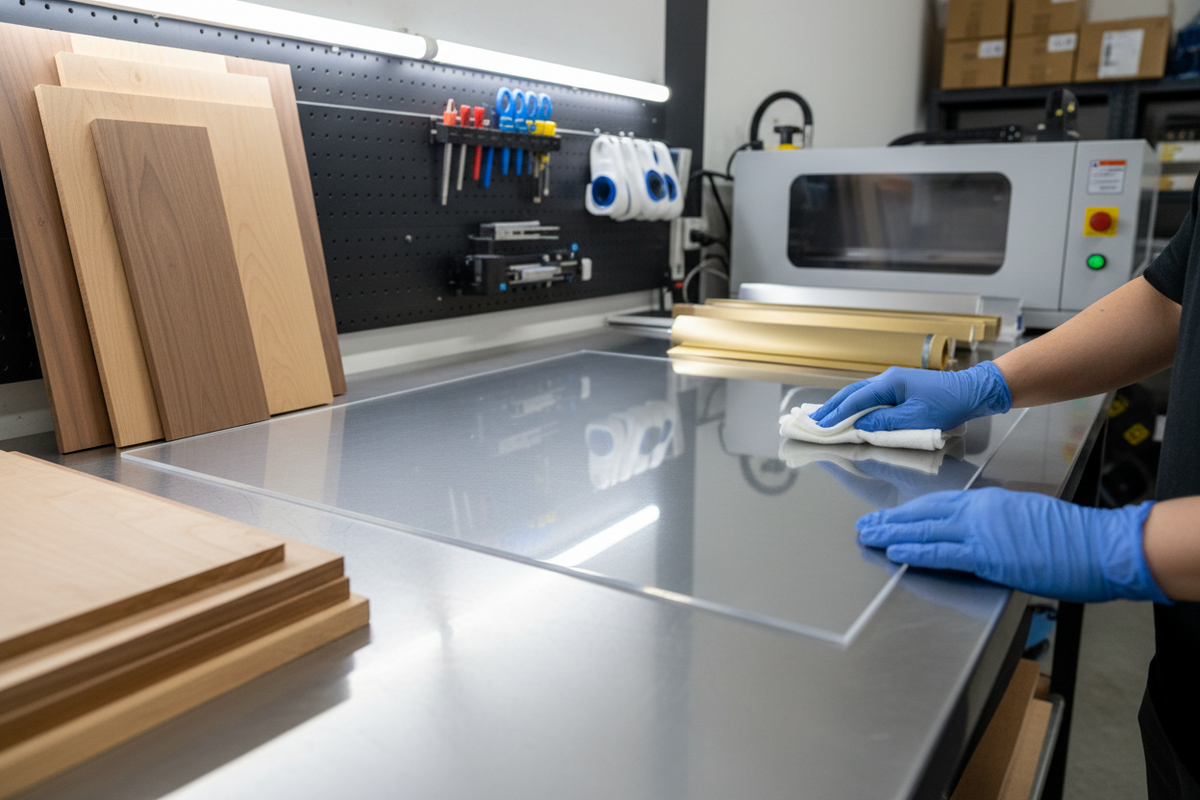
Pre-processing steps are also vital. Ensuring materials are clean, free of dust, debris, or protective film residue before laser processing prevents unwanted charring, flashback, or incomplete cuts. For materials like thin metals or certain plastics, flattening them can be essential to maintain a consistent focal distance across the entire sheet, especially when working with large formats. As highlighted by Laser Material Science Quarterly in their 2026 guide, minor imperfections or contaminants, if not addressed, are a leading cause of material spoilage and machine maintenance issues, underscoring the importance of these often-overlooked preparatory steps.
How can operational adjustments and maintenance boost material savings?
Operational adjustments and rigorous preventive maintenance are crucial for boosting material savings by ensuring consistent machine performance and reducing errors. Routine calibration of mirrors, lenses, and beam alignment optimizes laser efficiency, preventing miscuts and wasted material. Coupled with comprehensive operator training and clear standard operating procedures, these practices minimize human error and ensure every job is executed with precision, maximizing material yield.
The best material optimization techniques can be undermined by a poorly maintained or uncalibrated machine. Regular preventive maintenance is not just about extending the life of your laser engraver; it's a direct contributor to material savings. Dirty optics (lenses and mirrors), for example, can significantly reduce laser power and focus, leading to incomplete cuts, ragged edges, or excessive charring. This often necessitates running the job multiple times or discarding the material entirely. A simple daily or weekly cleaning routine, depending on usage, is a low-cost, high-impact practice that maintains laser efficiency.
Calibration is another critical operational adjustment. Over time, mirrors can shift, beam alignment can drift, and even the focal length of the lens can become inconsistent. Routine checks and recalibration ensure that the laser beam is always delivering its full power precisely where it's intended. Misaligned beams can cause uneven cuts or engravings, requiring material to be scrapped. Investing time in these checks pays dividends in reduced material waste and consistent output quality.
Finally, highly trained and empowered operators are your first line of defense against material waste. Comprehensive training on machine operation, material handling best practices, and troubleshooting common issues significantly reduces human error. When operators understand the impact of incorrect settings, improper material loading, or neglecting maintenance, they become proactive guardians of material efficiency. Implementing clear Standard Operating Procedures (SOPs) for every common job ensures consistency across shifts and operators, minimizing variations that could lead to material spoilage. Industry guidelines from the Precision Manufacturing Alliance emphasize that businesses investing in robust operator training and machine upkeep experience a 12% reduction in material waste and a 15% increase in first-pass yield, making these fundamental operational practices.
How to Make Your Final Choice: My Expert Recommendation
Navigating the complexities of material efficiency in laser engraving in 2026 might seem daunting, but it’s an absolute imperative for any business aiming for sustained profitability. My expert recommendation is to approach material optimization not as a series of isolated actions, but as a holistic, integrated strategy. The choice to implement advanced nesting software, refine your inventory systems, or invest in operator training isn’t an either/or proposition; these elements are synergistic, creating a powerful ecosystem of efficiency that compounds savings.
Start by auditing your current processes. Identify where the most significant material waste occurs. Is it from poor nesting, damaged inventory, or operator errors? Once you have a clear picture, prioritize the interventions that offer the highest return on investment. For many, integrating advanced nesting software will be the fastest route to immediate savings, quickly offsetting its cost. Simultaneously, review your inventory management; moving towards a JIT model, even incrementally, can free up significant capital.
Beyond technology, cultivate a culture of material consciousness within your team. Empower your operators with the knowledge and tools to contribute to efficiency. Regular training, clear SOPs, and even incentive programs for waste reduction can foster a collective commitment to profitability. Remember, the market landscape of 2026 is dynamic, with material costs and supply chains subject to rapid changes. Businesses that are agile, data-driven, and proactive in their material management will not only survive but thrive.
Don't view these strategies as merely cost-cutting measures, but as investments in the future resilience and competitiveness of your laser engraving business. By embracing these 2026-forward practices, you're not just reducing waste; you're building a leaner, more profitable, and environmentally responsible operation that's ready for whatever the next decade brings. Take these insights, apply them diligently, and watch your profit margins expand.
Frequently Asked Questions (FAQ)
Is investing in premium nesting software worth the cost for a small laser engraving business in 2026?
Absolutely. For a small laser engraving business in 2026, the Return on Investment (ROI) from premium nesting software often quickly outweighs the initial investment. By dramatically reducing material waste, typically by 15-30% compared to manual methods, these solutions can pay for themselves within months, significantly boosting your bottom line and competitive pricing ability.
Many small businesses mistakenly view advanced nesting software as a luxury rather than a necessity. However, in an era of fluctuating material costs, even a small operation can see substantial benefits. The material savings alone, which can be considerable, free up capital that can be reinvested into growth, new equipment, or marketing. Beyond the direct material savings, these software solutions also optimize cutting paths, reducing machine run time and energy consumption, further cutting operational costs. Moreover, the ability to produce more parts from less material allows small businesses to offer more competitive pricing, attracting more customers and expanding market share. Integrating such software also future-proofs your business, ensuring you're utilizing 2026's best available technology.
How often should I recalibrate my laser engraver to ensure peak material efficiency?
To ensure peak material efficiency and precision in 2026, daily checks for cleanliness and basic alignment are ideal, with a full calibration of mirrors, lenses, and beam alignment recommended weekly or bi-weekly depending on usage intensity. High-volume operations or those using diverse materials may benefit from more frequent, detailed calibrations to prevent costly miscuts and material spoilage.
The frequency of laser engraver recalibration directly impacts the quality of your cuts and engravings, and by extension, your material waste. Even slight misalignments or dirty optics can lead to inconsistent power delivery, focal point drift, and imprecise cuts, resulting in discarded materials. For businesses running continuous operations or working with delicate, high-value materials, a more rigorous schedule ensures optimal performance. Consider your specific workload: a machine running 8-10 hours a day will require more frequent attention than one used sporadically. Always refer to your laser manufacturer's specific guidelines for maintenance and calibration, but a proactive approach generally yields superior results, reduced downtime, and significant long-term material savings by avoiding expensive mistakes.
Can I truly reuse small off-cuts and scraps effectively in 2026?
Yes, absolutely. In 2026, leveraging small off-cuts and scraps is not just feasible but a smart, sustainable business practice. With proper organization, digital tracking of remnant inventory, and creative design, these pieces can be transformed into valuable assets for small projects, samples, or components, dramatically reducing overall material waste and enhancing profitability.
The key to effective scrap utilization lies in systematization. Simply tossing off-cuts into a bin makes them hard to find and use. Instead, implement a system to categorize and store usable remnants by material type and approximate size. Many modern nesting software packages now include remnant management features that can digitally track these pieces and suggest them for new jobs, making it easier than ever to integrate them into your production workflow. Think creatively: small off-cuts are perfect for engraving samples, testing new settings, creating custom jewelry components, small signage, or unique promotional items. By adopting a "no scrap left behind" mindset, businesses can not only save money but also enhance their sustainability credentials, appealing to an increasingly eco-conscious consumer base in 2026.
Share:
Next-Gen Wearables: 5 Ways Laser Etching Powers Innovation
Boost Engraving Precision by 30%: 5 Ways Digital Twins Revolutionize Manufacturing